Introduction
Unwanted
pregnancy
is a worldwide public health problem that can be explained by discontinuing the
use of available contraceptive methods, which for the most part have adverse
effects that directly affect womens health. Despite the high preventive
efficacy, contraceptive pills were replaced by the contraceptive method by
subcutaneous implant in the 1960s; however, it was replaced by the subdermal
implant due to reports of difficulty in removing them. This implant stood out
for its high efficacy and ease of removal. It is an implant that comes in a
single 4 cm stem that releases 68 mg/day of Etonogestrel, valid for 3 years,
failure rate less than 0.1% and aims to achieve complete suspension of
ovulation throughout the period of use by endometrial atrophy and cervical
mucus thickening thus inhibiting sperm penetration through the cervix uterus [1].
However
the high cost and side effects caused by the use of implants such as: changes
in bleeding patterns, acnes, emotional lability and weight gain are causes of
the low diffusion of this method in Brazil. Therefore, the increase in the rate
of unwanted pregnancy is due to the misuse of contraceptive methods and the
withdrawal or financial difficulty to adhere to the subdermal implant [1].
According
to the ministry of Health women have rights and needs that go beyond pregnancy and
childbirth,
require actions that provide improvements in health, and clear guidance on
contraceptive methods would benefit to avoid potential health problems.
Unwanted pregnancy is often one of the causes that lead women to misuse,
overuse abortion pills and clandestine abortion methods in order to terminate
their pregnancies [2]. As women seeking these methods are more pronounced in
women with low education, which implies a lack of guidance and seeking care,
women with better education and higher financial status seek specialized
clinics where there are more conditions and hygiene thus reducing the risk of
mortality from infections and others [3].
Emergency
Contraception (EC)
has been increasingly used. This contraceptive method, better known as postcoital
contraception
or by its popular name morning after pill, acts on the body to prevent the
often unwanted pregnancy that comes with an unprotected sex act. Its action is
effective for a short time after intercourse; its composition employs a
concentration of hormones, unlike contraceptives that prevent before happening
or during sexual intercourse. The main indications for EC are frequent
situations such assexual intercourse without contraceptive use, sexual violence, presumed
failure in the routine method or inappropriate use of contraception [3].
Due
to the many difficulties women encounter in trying to access the emergency
pill, a search is initiated that is facilitated by pharmacists and clerks who
point out the relatively low cost (to Brazil, R$ 20,00 or about $ 4.98) and
non-compliance with the standard required by health surveillance, which
requires the presentation of a prescription for the sale of emergency pills, in
addition, do not provide information on drug side effects, guidelines on
exposure to Sexually
Transmitted Infections (STI) transmitted by unprotected sex and an ethical
debate is set up regarding this easy access [4]. Given the harm that the
indiscriminate use of emergency contraception can cause women, it is necessary
to investigate the causes that lead these women to choose this means of
contraception. It makes sure that women are receiving sufficient and necessary
information for effective and less harmful use.
Objective
Identify
by integrative literature review the reasons for the indiscriminate use of
emergency contraception.
Method
Integrative
literature review, performed through the databases: Brazilian Nursing Database
(BDENF), Literatura
Latino-Americana e do Caribe em Ciências da Saúde (LILACS), Medical
Literature Analysis and Retrieval System Online (MEDLINE) and Scientific
Electronic Libary on Line (SciELO). Five descriptors were defined: contraception,
womens health, unintended
pregnancy, teenage pregnancy, and non-steroidal
abortives
that were associated with peers, using the term boolean and. The
search took place from October 2018 to October 2019. For the selection of
articles, the following inclusion criteria were considered: original research
related to the objective of the study, in full, in Portuguese language
published between 2013 and 2019. The editorials, dissertations and theses were
excluded.
Results
We
found 490 articles between platforms Lilacs, Bdenf and SciELO in Medline platform
no articles were found. Sixteen articles were selected. The selected articles
were based on the inclusion and exclusion criteria presented in the method.
Indiscriminate selling of the pill shows the change in how to avoid pregnancy.
It should theoretically be used in emergency cases such as condom breakage or
rape. However, it has become a solution to sexual relations, often without a
condom (Table 1).
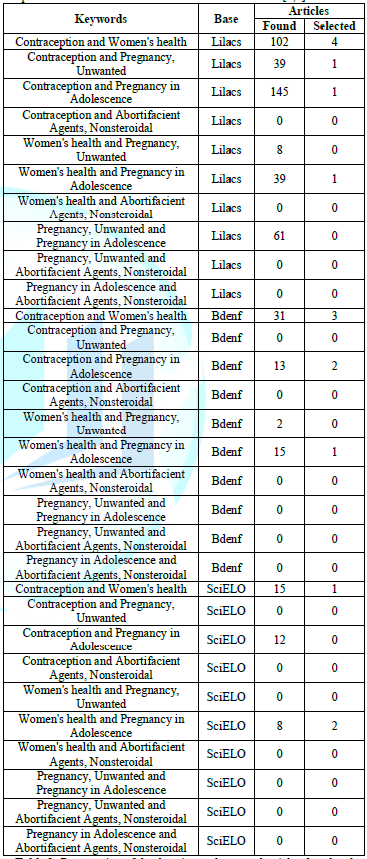
Table 1: Presentation of the descriptors, bases
and articles found and selected.
Many
factors were identified that motivate the large consumption of the pills. In
general, peoples lack of information about their use and the consequences of
self-medication are emerging. It is possible to identify among them the
predominant factors for the indiscriminate use of abortion pills such as: low
family income, low level of education, unwanted pregnancy and lack of
information or even incorrect information in health facilities. The results are
consistent because the selected surveys as can be seen in Table 2 in method were performed with large samples. Importantly,
in the results, abortive pill and postcoital pill are considered the same
thing.
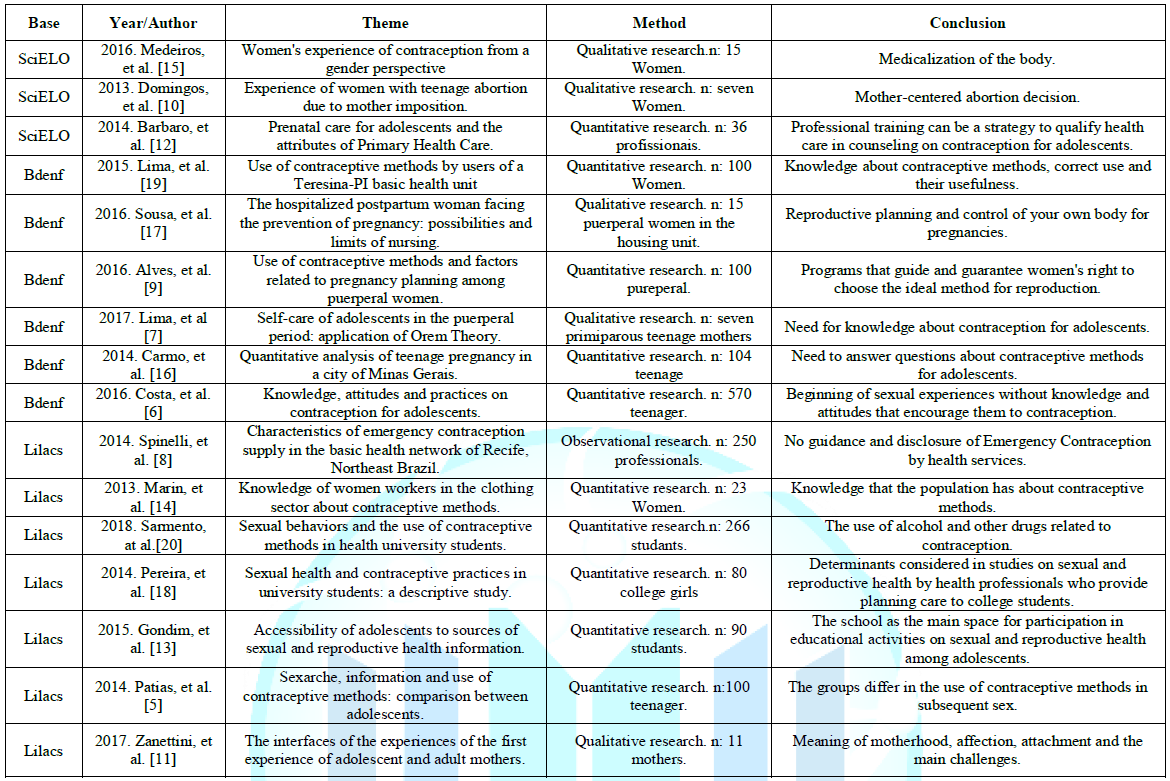
Table 2: Presentation of article selection base
on year/author, theme, method and conclusion.
Discussion
The
reproductive capacity of adolescents is evidenced by biological factors such as
changes in puberty. However, that does not mean that they are prepared to
experience these changes. These facts open a window of possibilities for
unexpected occurrences, as unprotected sex can lead to STI or unwanted
pregnancies. Among these factors, there are also the characteristics of
adolescence such as impulsivity, egocentric thinking, age of first sexual
intercourse, lack of information about contraception, whether or not attending
school, the number of partners and the belief that contraceptives can get fat
and decrease pleasure [5].
During
adolescence, a pregnancy imposes limits on future opportunities, significantly
affecting adolescent development and has a direct link with poverty and low
education even though there is a network that provides clarifications related
to sexuality. These links in the network are very important in health promotion
and prevention, but talking about sex or something related are still taboos
that need to be broken. The promotion of self-care by free choice to promote
their health and
well-being
and to adopt promotion and prevention measures, controlling risk factors and
acquiring healthy habits are very important tools in the role of the united
basic the health [6,7].
A
study conducted in Recife (Brazil) shows that the availability of Emergency
Contraception is in accordance with state and municipal strategy, but there is
no effective offer made. One of the possibilities for this reality is the
predominance of the Catholic religion in the region, which considers it an
abortifacient drug, influencing women in the decision about its use. To
investigate the level of information offered to women, another study conducted
in Scotland found that while information on this method is provided in
pharmacies, only a minority adopt a regular contraceptive method after using
Emergency Contraception.
This
fact is directly linked to family planning, because in yet another study on the
use of contraceptive methods and factors related to pregnancy planning among
puerperal women; it was evident that most participants did not plan the last
pregnancy, even those who had not a low level of education or low income [8,9].
The adolescent population shows a vulnerability to the use of this pill. More
than 10% of those born worldwide are teenagers between 15 and 19 years old.
Each year in the 28 countries of the Organization for
Economic Cooperation and Development (OECD), at least 1.25 million become
pregnant. Of these, about half a million seek abortion.
One
study identified a pattern of risky behavior for sexual and
reproductive health,
including unplanned pregnancy. It becomes a major sexual and reproductive
health problem when it is also unwanted. In this phase, the adolescent faces
problems during the insertion in the sexual life due to the fear of losing
their autonomy, but mainly related to the family sphere. Parental dependence
and lack of feeling sharing and sexual orientation [10].
Teenage
pregnancy is an experience that has numerous disadvantages than it would in an
adult. Changing paradigms, changes in the physical body, the way you think and
see the world, lose educational opportunities, less work opportunities, and
psychological conflicts. In a study conducted on the first experience of
teenage mothers, it shows that when pregnancy is not something planned and
expected, they go into a state of emotional shock when faced with the news. One
of the points mentioned as difficulty would be the difficulty of not being able
to leave home as before. The fun and time that was once dedicated to herself
from then on would be for baby care. Thus evidencing in this speech the concern
with herself and the baby [11].
In
the same study cited above, there is the surprise of primary mother adolescents
receiving family support. As mentioned in the same, in the past, the
traditional families mostly devoted a differentiated support to male children.
While females married early and were closely linked to the home environment.
Historically the woman brings this mark in the social and family relationship.
Therefore, a teenage pregnancy reflects for them as a loss of their freedom and
autonomy, as well as the difficulties already mentioned. It is possible to
conclude this after mentioning that the adult mothers who testified in this
study, in addition to having an expected pregnancy, already had the support of
family and those involved. As indeed, for these the support was intense and the
news of the pregnancy was without conflicts and tensions [11].
Increasing
the coverage of family health units along with
professional training may improve health care qualifications, as the percentage
of adolescent parturients has increased over the years. (34.6% from 2000 to
2005). The main risk for these adolescents, besides being biological, can be
associated with social situation, lack of information and lack of emotional
competence. In another study, it states that epidemiological research is
important for the elaboration of public policies, for the definition of
programs for this public. The biggest concern is the sexual and
reproductive health of adolescents that exposes them to the risk of
unwanted pregnancy and sexually transmitted diseases [12,13]. Despite the
increase in contraceptive distribution in the Unified Health
System,
very little is said about adverse effects, correct use and drug interaction,
with this, many users end up giving up the method. However, the guarantee of
the provision of assistance in reproductive planning is established, and the
state is responsible for promoting full access and the health management body
to provide assistance in full.
In
the study where information and use of contraceptive methods compared among
adolescents, showed a higher percentage of responses associated with the use or
infrequent contraceptive methods (85% indicated to use sometimes and 8% never
used). When asked about having already received information about contraception
96% of pregnant women and 98% of non-pregnant women answered yes. However, the
quality of the information received by these young women is questioned, since
in the group of pregnant women the use of contraceptives is frequent [5,14,15].
The
sexual and reproductive behavior of the human being is related to the
educational level of the same, those who are more dedicated to the studies make
use of contraceptive methods avoiding the unwanted pregnancy and/or STI. The
use of contraceptive methods is directly related to the level of knowledge.
Condoms are more commonly used by students in the early grades, while those at
the end of the course opt more for oral contraceptives claiming a more stable
love relationship. Through a study carried out shows that most adolescents did
not complete elementary school or high school and only a small part of these
adolescents continued their studies, through these studies indicates that low
education is directly related to teenage pregnancy [16-18].
Most
women have some knowledge about contraceptive methods, but do not negate the
lack of information on these methods, so it is necessary a greater professional
and user interaction to increase freedom of choice, increase confidence and the
knowledge between professional and client since nurses play a fundamental role
in the Family Health Strategy and family planning. However, undergraduates in
health care, with an average age of 20.5 years, despite the knowledge of
contraceptive methods, inform male condoms as the main preventive method, but
with the use of alcohol and other drugs, they increase their exposure to
pregnancy and pregnancy. STI due to unpredictable sex [19,20].
The
health professional who prescribes contraception or emergency contraception for
an adolescent does not violate the law and does not violate ethical principles,
but it is the health professionals duty to pay attention to the sexual and
reproductive health of adolescents. And the resource for proper counseling is family planning, which is an
integral part of womens care [21].
The
family health strategy added to family planning presents a set of actions
outlined by the Ministry of Health that aims to guarantee the couples right to
the planned conception and or contraception of their children. Rights
guaranteed from Law n°. 9,263 of January 12, 1996 and provides
resources for sex education, quality
reproductive health,
contraceptive methods, and socio-educational programs that practitioners should
use to raise awareness of those in need of information to avoid medicalization
and unpleasant consequences to health [22].
According
to the ministry of healths team of experts, the most commonly used emergency
contraception pills are 0.75 or 1.5 mg levonogestrel, marketed as: Diad; Dopo;
H time; Neodia Pilem; Postinor; Pozato and Prevention. However, such drugs have
no scientific studies to prove their effectiveness. They are inexpensive and a
study of the compositions and possible side effects is suggested before use in
emergency contraception [23]. Emergency contraception is a controversial
subject full of ethical, political and ideological controversies, relating
fears from the beginning of human life to possible changes in sexual behavior
but needs to be debated for the awareness of professionals and society [24].
Conclusion
The
main reason for the misuse of abortion pills has still been the unwanted
pregnancy, both by adolescents and women in adulthood, due to lack of
information, guidance and even carelessness. Then begins the desperate search for
the pills, which would at first solve the problem caused by themselves, without
imagining the grievance and complications caused by the misuse of these
medications.
Indiscriminate
use of abortion pills
is also associated with women with low income and low education. Many women do
not use contraception, increasing pregnancy rates and the incidence of STI.
Thus, with little knowledge and lack of information, facilitates the excessive
use of abortion pills and even illegal means such as seeking clandestine
clinics to terminate pregnancy, where there is no hygiene, increasing the risk
of infections and even leading to death.
References
1. Moraes
MST, Oliveira RC, Santos JM, Lucena Junior RP, Queiroz JRC, et al. Adverse
effects on contraceptive implant users (2015) Femina 43.
2. Protocols
of Primary Care: Womens Health. Ministry of Health, Syrian-Lebanese Institute
of Education and Research (2016) Ministry of Health, Brazil.
3. Santos
ACA, Rocha RDL, Nery IS and Silva JCP. Goodbye Hormones: Conceptions about body
and contraception from the perspective of young women (2018) University of São
Paulo, Brazil.
4. Brandão
ER, Cabral CS, Ventura M, Oiava SP, Bastos LL, et al. Hormone bomb: risks of
emergency contraception from the perspective of pharmacy attendants in Rio de
Janeiro, Brazil (2016) Cad Saúde Pública Rio de Janeiro 32: e00136615. https://doi.org/10.1590/0102-311x00136615
5. Patias
ND and Dias ACG. First sexual intercourse, information and contraceptive use: a
comparison between adolescents (2014) Psico-USF, Brag Pauli 19: 13-22.
6. Costa
GPO, Guerra AQS and Araújo ACPF. Knowledge, attitudes, and practices on
previous use of contraceptive methods among pregnant teenagers (2016) J res
fundam care 8: 3597-3608.
7. Lima
GKS, Santos AAP, Silva JMO, Comassetto I, Correia SR, et al. Self-care of
adolescents in the puerperal period: application of the orem theory (2017) J of
Nurs 11: 4217-25.
8. Spinelli
MBAS, Souza AI, Vanderlei LCM and Vidal SA. Emergency contraception supply on
primary health care in Recife, Northeastern Brazil (2014) S0061úde Soc São
Paulo 1: 227-237. http://dx.doi.org/10.1590/S0104-12902014000100018
9. Alves
MO, Perreira BDM, Dias FA, Mendes LC, Elias TC, et al. Use of contraceptive
methods and factors related to pregnancy planning among puerperas (2016) Rev
Enferm UFSM 6: 424-433.
10. Domingos
SRF, Merighi MAB, Jesus MC Pand Oliveira DM. The experience of women with
abortion during adolescence as demanded by their mothers (2013) Rev Latino-Am
Enferm 21: 899-905. http://dx.doi.org/10.1590/S0104-11692013000400010
11. Zenettini
A, Souza JB and Aguiar DM. The interfaces of adolescent and adult mothers first
experience (2017) Rev Enfer Cent-Oest Mine 7: e1987. https://doi.org/10.19175/recom.v7i0.1987
12. Barbaro MC, Lettiere A and Nakano AMS. Prenatal care
for adolescents and the attributes of primary health care (2014) Rev Latino-Am
Enferm 22: 1-7. http://dx.doi.org/10.1590/0104-1169.3035.2390
13. Gondim
PS, Souto NF, Moreira CB, Cruz MEC, Caetano FHP, et al. Accessibility of
adolescents to sources of information on sexual and reproductive health (2015)
J Hum Grow Deve 25: 50-53. http://dx.doi.org/10.7322/jhgd.96767
14. Marin
C, Albuquerque AAB and Fontes KB. Knowledge of women workers in the clothing
industry about contraceptive (2013) Arq Cienc Saúde UNIPAR 17: 159-162. https://doi.org/10.25110/arqsaude.v17i3.2013.5065
15. Medeiros
TFR, Santos SMP, Xavier AG, Gonçalves RL, Mariz SR, et al. Womens experience
with contraception from the perspective of gender (2016) Rev Gaúcha Enferm 37: e57350.
16. Carmo
SS, Livramento DE, Paulino Neto HF and Zeferino MGM. Quantitative analysis
regarding pregnancy in adolescence in a municipality in minas gerais (2014) Cogi
Enfer 19: 740-746. https://doi.org/10.1590/1983-1447.2016.02.57350x
17. Sousa
SC, Leão DCMR, Vieira BDG, Alves VH, Rodrigues DP, et al. The puerperal woman
hospitalized facing the prevention of pregnancy: possibilities and limits of
nursing (2016) Rev enferm UFPE 10: 3560-3566.
18. Pereira
ALF, Penna LHG, Pires EC and Amado DC. Sexual and birth control health
practices among female undergraduates: a descriptive study (2014) Braz J Nurs
13: 25-35. https://doi.org/10.5935/1676-4285.20144066
19. Lima
PVC, Rocha RDL, Nery IS and Silva JCP. Use of contraceptive methods by users of
a basic health unit (2015) Rev enferm UFPI 4: 11-18.
20. Sarmento
MSRA, Sales JCS, Silva Junior FJGS and Parente ACM. Sexual behaviors and the
use of contraceptive methods among undergraduate female students of the health
area (2018) Nurs J Min Gera 22: e-1112. http://www.dx.doi.org/10.5935/1415-2762.20180040
21. Ministry of
Health. Emergency contraception: questions and answers for health
professionals, 2010 Brazil.
22. Lacerda
JOS, Portela FS and Marques MS. The indiscriminate use of emergency
contraception: a systematic review of the literature (2019) Rev Mult Psic 13:
379-386.
23. Pinheito P. Next
pill leaves: How to take, effects and rate of effectiveness.
24. Wannmacher
L. Emergency contraception: evidence versus prejudice, Rational drug use:
selected topics (2005) Brasilia, 2: 1-6.
*Corresponding author
Bruno Vilas Boas Dias, Department of Nursing, Padre
Anchieta University Center, Campo Limpo Paulista University Center, Brazil, Tel:
+55114527-3444, E-mail: bruno.dias@anchieta.br
Citation
Dias
BVB, Silva
JAD, Da Cruz LV and Antognetti SDS. The indiscriminate use of an emergency
contraceptive pill in the light of the integrated literature review (2019) Nursing
and Health Care 4: 57-61.