Introduction
Successful pain control is fundamental to oral and maxillofacial surgery, with local anesthesia serving as the cornerstone for performing routine and complex mandibular procedures. Among the available mandibular nerve block techniques, the conventional Inferior Alveolar Nerve Block (IANB) described by Halstead remains the most widely practiced because of its simplicity, familiarity, and predictable clinical outcomes. Despite its widespread acceptance, the technique is associated with reported failure rates ranging from 15% to 25%, even when administered by experienced clinicians [1]. Anatomical variations in the location of the mandibular foramen, accessory innervation, inaccurate needle placement, intravascular deposition, and operator-related factors have all been implicated as major causes of anesthetic failure [2].
To overcome these limitations, several alternative mandibular nerve block techniques have been introduced. The Gow-Gates mandibular nerve block, first described in 1973, targets the mandibular nerve trunk at the neck of the condyle before its division, thereby providing anesthesia to multiple branches of the mandibular nerve with a single injection [3]. Subsequent modifications and clinical evaluations demonstrated its potential advantages, including a lower positive aspiration rate and wider area of anesthesia [4]. However, owing to the higher anatomical site of anesthetic deposition, the Gow-Gates technique generally exhibits a slower onset than the conventional Halstead technique [5,6].
Several clinical investigations have compared the conventional inferior alveolar nerve block with alternative techniques. Randomized clinical trials have reported differences in anesthetic onset, success rate, patient comfort, and requirement for supplemental anesthesia, particularly during mandibular third molar surgery [1,7]. Recent comparative studies have also evaluated the Halstead, Gow-Gates, Clark and Holmes, and Sargenti techniques under similar clinical conditions, demonstrating that each technique possesses distinct advantages and limitations [8].
The Clark and Holmes technique was developed to improve the accuracy of anesthetic deposition by modifying the point of needle insertion and direction of advancement. Likewise, the Sargenti technique incorporates alterations in needle angulation to facilitate more predictable deposition of the anesthetic solution around the inferior alveolar nerve. Although these modifications aim to improve clinical success, published evidence comparing these techniques remains limited [9,10].
The effectiveness of mandibular anesthesia is influenced by several factors, including anatomical variation, operator experience, injection technique, and the presence of inflammation. Studies have shown that superior positioning of the mandibular foramen, variations in mandibular ramus morphology, and accessory neural pathways may reduce the success of conventional IANB, emphasizing the importance of alternative techniques in selected clinical situations [11-14]. Furthermore, systematic reviews have concluded that no single mandibular nerve block technique can be considered universally superior for all patients and clinical scenarios [18-22].
Although previous investigations have compared two or three mandibular anesthesia techniques, comprehensive clinical evaluation of the Halstead, Gow-Gates, Clark and Holmes, and Sargenti techniques in a single randomized clinical study remains scarce. Direct comparison of these techniques with respect to onset of anesthesia, pain during injection, block success, requirement for supplemental anesthesia, and complications may provide valuable evidence for selecting the most appropriate technique in routine clinical practice.
Therefore, the present prospective randomized in vivo study was undertaken to compare the clinical efficacy of Halstead, Gow-Gates, Clark and Holmes, and Sargenti mandibular nerve block techniques by evaluating subjective and objective onset of anesthesia, pain during administration, need for supplemental anesthesia, block success, and associated complications.
Materials and Methods
Study design and setting
A prospective, randomized, comparative in vivo clinical study was conducted in the Department of Oral and Maxillofacial Surgery, Peoples Dental Academy, Peoples University, Bhopal, Madhya Pradesh, India, after obtaining approval from the Institutional Ethics Committee. The study was carried out over a period of one year in accordance with the ethical principles of the Declaration of Helsinki. Written informed consent was obtained from all participants before their inclusion in the study.
Sample size and study population
The study comprised 100 patients requiring mandibular exodontia or minor oral surgical procedures under local anesthesia. Patients fulfilling the eligibility criteria were randomly allocated into four equal groups (n = 25 each) according to the mandibular nerve block technique used.
Group A: Halstead technique
Group B: Gow-Gates technique
Group C: Sargenti technique
Group D: Clark and Holmes technique
Randomization was performed using the chit-box method to minimize selection bias and ensure equal distribution among the study groups.
Selection criteria
Patients were considered eligible for inclusion if they were willing to participate in the study and provided written informed consent. Individuals requiring exodontia or minor oral surgical procedures involving a single hemi-mandible under local anesthesia were included in the study. Pregnant women, medically compromised patients, and patients diagnosed with fascial space infections were excluded to eliminate potential confounding factors that could influence the efficacy of local anesthesia or increase the risk of procedure-related complications.
Anesthetic procedure
All nerve blocks were administered by a single experienced oral and maxillofacial surgeon under standardized clinical conditions to eliminate operator variability. A 2% lignocaine hydrochloride solution containing 1:100,000 adrenaline was used for all participants.
For the Halstead, Sargenti, and Clark and Holmes techniques, 1.5mL of anesthetic solution was deposited, whereas 2.2 mL was administered for the Gow-Gates technique in accordance with the original technique description. Before deposition of the anesthetic solution, negative aspiration was confirmed in every patient.
Following completion of the injection, patients were observed for the onset of anesthesia and subsequently underwent the planned surgical procedure after confirmation of adequate anesthesia (Table 1and 2) (Figures 1-3).
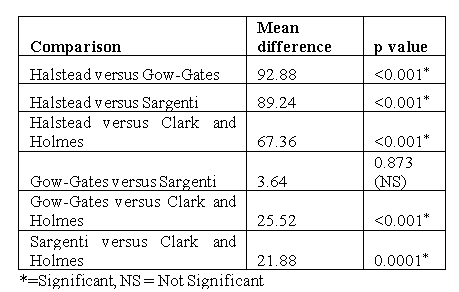
Table 1: Tukey post hoc comparison for subjective onset time.
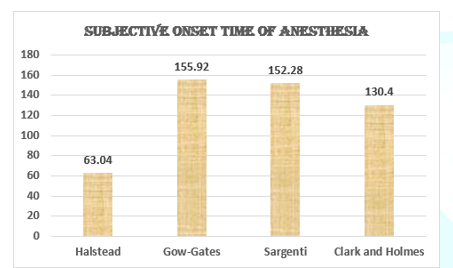
Figure 1: Comparison of subjective onset time of anesthesia among the four techniques.
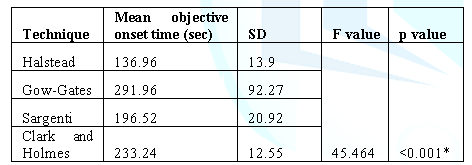
Table 2: Tukey post hoc comparison for subjective onset time.
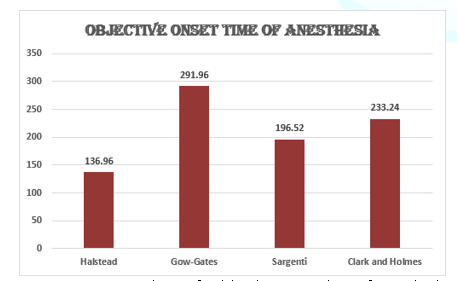
Figure 2: Comparison of subjective onset time of anesthesia among the four techniques.
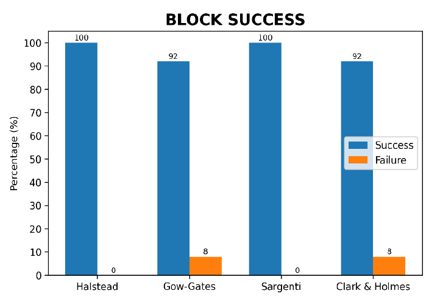
Figure 3: Comparison of subjective onset time of anesthesia among the four techniques.
Results
Overall, the results showed that the Halstead technique was the most effective in terms of rapid onset of anesthesia, both subjectively and objectively. Sargenti technique performed closest to Halstead, particularly in relation to objective onset and complete block success. Clark and Holmes technique showed the highest requirement for supplemental anesthesia, indicating lower reliability, while Gow-Gates technique showed the slowest onset, especially for objective anesthesia. Pain scores were low and comparable across the four groups, and complications were minimal. Overall, the findings suggest that Halstead remains the most reliable and fastest conventional technique, Sargenti is a useful alternative with results close to Halstead, Clark and Holmes appear less dependable, and Gow-Gates is effective but slower in onset.
Statistical Analysis
The data were entered into a master chart and analyzed using Statistical Package for Social Sciences 25.0 version. Continuous variables such as age, subjective onset time, objective onset time, and pain score were expressed as mean ± standard deviation. Categorical variables such as gender, requirement of supplemental anesthesia, block success, and complications were presented as frequency and percentage. One-way ANOVA was used to compare the mean values among the four anesthetic technique groups, and whenever a statistically significant difference was found, Tukeys post hoc test was applied for pairwise comparison. Chi-square test was used to assess the association between anesthetic technique and categorical outcomes. A p value less than 0.05 was considered statistically significant throughout the analysis.
Discussion
The success of oral and maxillofacial surgical procedures largely depends on achieving profound and predictable mandibular anesthesia. Although the conventional Inferior Alveolar Nerve Block (IANB) using the Halstead technique continues to be the most widely practiced method, its reported failure rate of 15-25% has encouraged the development of alternative mandibular nerve block techniques. Numerous factors, including anatomical variations in the position of the mandibular foramen, accessory innervation, operator experience, and inaccurate needle placement, contribute to unsuccessful anesthesia and justify the need for comparative evaluation of different techniques [1,2,6]. The present prospective randomized clinical study compared the Halstead, Gow-Gates, Sargenti, and Clark and Holmes techniques with particular emphasis on subjective onset, objective onset, block success, and complications.
The onset of anesthesia is one of the most important determinants of clinical efficiency because it directly influences treatment duration and patient comfort. In the present study, statistically significant differences were observed among the four techniques with respect to subjective onset of anesthesia (p < 0.001). The Halstead technique demonstrated the shortest subjective onset time (63.04 ± 13.21 seconds), whereas the Gow-Gates technique exhibited the longest onset (155.92 ± 26.90 seconds). The Sargenti and Clark and Holmes techniques demonstrated intermediate onset values.
The rapid onset observed with the Halstead technique may be explained by deposition of the anesthetic solution immediately adjacent to the mandibular foramen, allowing rapid diffusion through the cortical plate to the inferior alveolar nerve. Madan et al. reported similar findings in a randomized controlled trial comparing classical IANB with the Gow-Gates technique during mandibular third molar surgery, concluding that the conventional Halstead technique consistently produced a significantly faster onset of anesthesia [1]. Likewise, Thangavelu et al. emphasized that accurate localization of the mandibular foramen is the principal determinant of rapid onset and successful blockade [2]. Their anatomical observations demonstrated that even minor variations in needle placement may substantially delay anesthesia.
Conversely, the delayed onset associated with the Gow-Gates technique observed in the present study is consistent with the original anatomical concept proposed by Gow-Gates [3]. Unlike the Halstead technique, the Gow-Gates approach deposits anesthetic solution near the neck of the mandibular condyle before division of the mandibular nerve trunk. Although this results in anesthesia of a larger distribution of the mandibular nerve branches, the greater diffusion distance inevitably prolongs the onset of anesthesia. Gow-Gates and Watson [4] further clarified that the broader nerve blockade achieved by this technique should be interpreted as an anatomical advantage rather than a limitation, despite its slower onset.
Aggarwal et al compared Gow-Gates mandibular conduction anesthesia with conventional IANB and similarly reported a significantly prolonged onset time for the Gow-Gates technique while demonstrating satisfactory anesthetic success [5]. These findings were further supported by Thomas et al., who concluded that although the conventional IANB achieved anesthesia more rapidly, both techniques provided comparable clinical effectiveness once adequate anesthesia had developed [15].
The Sargenti technique demonstrated subjective onset times closer to those of the Halstead technique than the Gow-Gates technique. Although published literature regarding this technique remains relatively limited, the observations of the present study closely resemble those reported by Awate et al. who compared the same four techniques and concluded that Sargenti provides rapid and clinically acceptable anesthesia with a high degree of predictability [8]. The similarity between the present findings and those of Awate et al. reinforces the potential value of the Sargenti technique as a practical alternative in routine oral surgical procedures.
Overall, the findings of the present study indicate that the Halstead technique continues to provide the most rapid subjective onset among the evaluated mandibular nerve block techniques. However, the Sargenti technique demonstrated encouraging results that warrant greater clinical consideration, whereas the Gow-Gates technique should be selected with the understanding that additional waiting time is generally required before commencement of the surgical procedure.
Objective onset of anesthesia represents the time required to achieve complete sensory blockade as confirmed by clinical examination and therefore provides a more reliable assessment of anesthetic effectiveness than subjective patient-reported numbness alone. Similar to subjective onset, statistically significant differences were observed among the four techniques (p < 0.001). The Halstead technique demonstrated the shortest objective onset (136.96 ± 13.90 seconds), whereas the Gow-Gates technique required the longest time (291.96 ± 92.27 seconds). Sargenti again demonstrated objective onset values considerably closer to Halstead than the other alternative techniques.
These findings further strengthen the clinical reliability of the Halstead technique for routine mandibular procedures. The rapid objective onset may be attributed to immediate deposition of anesthetic solution adjacent to the inferior alveolar nerve before its entry into the mandibular canal, facilitating faster penetration of the nerve sheath and earlier conduction blockade. Madan et al. and Thomas et al. similarly reported significantly shorter objective onset times with conventional IANB compared with Gow-Gates anesthesia [1,15].
The slower objective onset associated with the Gow-Gates technique has been consistently reported in previous investigations. Goldberg et al. compared conventional IANB, Gow-Gates, and Akinosi techniques and concluded that although Gow-Gates provided satisfactory anesthesia, the onset remained significantly delayed because of the higher anatomical target [10]. Haas similarly emphasized that clinicians should anticipate delayed anesthesia with the Gow-Gates technique and allow sufficient waiting time before initiating surgery [13].
The relatively rapid objective onset demonstrated by the Sargenti technique in the present study is clinically important because objective anesthesia directly influences commencement of surgery. Similar observations by Awate et al. indicate that the Sargenti technique can achieve effective nerve blockade within a clinically acceptable time while maintaining excellent block success [8].
This finding supports its use as an effective alternative in patients where conventional IANB may be difficult or unsuccessful. Anatomical variation remains an important determinant of objective onset regardless of the technique employed. Holliday and Jackson described superior positioning of the mandibular foramen as a significant cause of conventional IANB failure [11], whereas Lee and Yang emphasized that alternative approaches should be considered whenever anatomical landmarks are difficult to identify [12]. Nicholson further demonstrated considerable variation in mandibular foramen position, reinforcing the need for individualized selection of anesthetic techniques [25].
Collectively, the subjective and objective onset findings of the present study demonstrate that although all four techniques are capable of producing satisfactory mandibular anesthesia, the Halstead technique continues to provide the fastest onset and greatest clinical efficiency. The Sargenti technique demonstrated performance comparable to Halstead, while the Gow-Gates technique required a significantly longer onset period but remained an effective option where broader mandibular anesthesia is desired.
The ultimate objective of any mandibular nerve block technique is to achieve profound anesthesia that allows completion of the planned surgical procedure without the need for supplemental anesthesia. In the present study, both the Halstead and Sargenti techniques achieved a 100% block success rate, whereas the Gow-Gates and Clark and Holmes techniques demonstrated a 92% success rate. Although the observed differences were not statistically significant, these findings have considerable clinical relevance because they reflect the reliability of each technique in routine oral surgical practice.
The excellent success rate observed with the Halstead technique may be attributed to the familiarity of clinicians with the conventional inferior alveolar nerve block and the relatively straightforward identification of anatomical landmarks. Furthermore, deposition of the anesthetic solution in close proximity to the inferior alveolar nerve before its entry into the mandibular foramen facilitates profound neural blockade. Similar observations have been reported by Madan et al. and Thomas et al., both of whom demonstrated consistently high success rates with the conventional inferior alveolar nerve block during mandibular third molar surgery. These findings reinforce the continued role of the Halstead technique as the standard approach for routine mandibular anesthesia [1,15].
An equally important finding of the present study was the 100% success rate achieved with the Sargenti technique. Although the literature evaluating this technique remains relatively limited, the findings closely correspond with those reported by Awate et al., who observed comparable anesthetic success between the Halstead and Sargenti techniques [8]. The high success rate demonstrated in both studies suggests that, when performed correctly, the Sargenti technique provides reliable anesthesia comparable to the conventional inferior alveolar nerve block. This observation supports the inclusion of the Sargenti technique among the available alternatives for mandibular anesthesia, particularly in situations where conventional techniques prove difficult or unsuccessful.
The Gow-Gates technique demonstrated a success rate of 92%, which, although clinically satisfactory, was slightly lower than that of the Halstead and Sargenti techniques. The slightly reduced success rate observed in the present study may be attributed to the technique-sensitive nature of the Gow-Gates approach. Successful administration requires accurate identification of extraoral and intraoral anatomical landmarks, greater operator experience, and adequate patient cooperation during maximal mouth opening. Gow-Gates originally described this technique as providing anesthesia to the entire mandibular nerve trunk with a single injection [3], while Gow-Gates and Watson [4] subsequently reported excellent success rates following adequate operator training. Similarly, Goldberg et al. concluded that although Gow-Gates anesthesia provides reliable mandibular blockade, successful administration depends greatly upon clinician experience and strict adherence to the prescribed injection protocol [10].
The systematic review by AlMohareb et al compared Gow-Gates anesthesia with the conventional inferior alveolar nerve block and concluded that both techniques demonstrate comparable anesthetic success, although the Gow-Gates technique requires a longer onset period and greater technical precision [19]. These observations are consistent with the present study, in which Gow-Gates anesthesia was effective but required more time before profound anesthesia was established.
In the present study, the Clark and Holmes technique also demonstrated a success rate of 92%, accompanied by a comparatively greater requirement for supplemental anesthesia. Although complete anesthesia was achieved in the majority of patients, the increased need for additional injections suggests relatively lower reliability compared with the Halstead and Sargenti techniques. Awate et al. similarly reported variability in the success of the Clark and Holmes technique, emphasizing that accurate needle placement remains essential for achieving profound anesthesia [8].
The success of mandibular nerve block techniques is influenced by numerous patient-related and anatomical factors in addition to the injection technique itself. Nagendrababu et al. [18], in their systematic review, highlighted those inflammatory changes, altered tissue pH, and increased nociceptor sensitization significantly reduce the effectiveness of inferior alveolar nerve blocks, particularly in patients with irreversible pulpitis. Likewise, Parirokh and Abbott emphasized that supplemental techniques, including buccal infiltration, periodontal ligament injections, and intraosseous anesthesia, may be required when conventional mandibular nerve blocks fail to produce complete analgesia [21]. These observations explain why isolated failures may occur even when injections are administered using correct technique.
Anatomical variation remains another important determinant of block success. Thangavelu et al. demonstrated that considerable variation exists in the location of the mandibular foramen, directly influencing the success of conventional inferior alveolar nerve blocks [2]. Nicholson similarly reported significant anatomical variability in mandibular morphology [25], while Holliday and Jackson described superior positioning of the mandibular foramen as an important cause of failed anesthesia [11]. Consequently, clinicians should consider alternative approaches such as the Gow-Gates technique whenever anatomical variations compromise conventional inferior alveolar nerve block success.
Overall, the findings of the present study indicate that the Halstead and Sargenti techniques provide the most predictable clinical outcomes, whereas the Gow-Gates technique remains a valuable alternative in selected situations despite its relatively lower success rate and longer onset.
The incidence of complications following mandibular nerve block administration is an important indicator of procedural safety. In the present study, complications were infrequent across all four groups, and no statistically significant difference was observed among the techniques. Hematoma was observed in only two patients (8%) in the Halstead group, while postoperative pain was reported by one patient each in the Halstead and Gow-Gates groups. No complications were recorded in either the Sargenti or Clark and Holmes groups. Importantly, no patient experienced serious adverse events such as facial nerve paralysis, persistent paresthesia, trismus, or visual disturbances.
The occurrence of hematoma following the Halstead technique may be explained by accidental injury to vascular structures within the pterygomandibular space during needle insertion. Such complications are well documented in the literature and are generally attributed to inadvertent penetration of branches of the inferior alveolar artery or pterygoid venous plexus. Malamed emphasized that meticulous aspiration before deposition of anesthetic solution remains one of the most effective methods for preventing intravascular injection and hematoma formation [6]. Meechan similarly reported that careful adherence to anatomical landmarks and slow deposition of anesthetic solution significantly reduce procedure-related complications [24].
The absence of major complications associated with the Gow-Gates technique in the present study agrees with previous reports indicating that deposition of anesthetic solution near the neck of the condyle occurs in a relatively avascular region. Haas reported that the Gow-Gates technique demonstrates one of the lowest positive aspiration rates among mandibular nerve block techniques because of its anatomical site of injection. Consequently, despite its slower onset, the Gow-Gates technique possesses an excellent safety profile when performed correctly [13].
The complete absence of complications in the Sargenti and Clark and Holmes groups further supports the safety of these techniques. Although literature regarding the Sargenti technique remains limited, Awate et al. similarly observed minimal postoperative complications, suggesting that careful needle placement and operator familiarity contribute to favorable clinical outcomes [8].
Pain experienced during injection and the postoperative period represents another important indicator of patient acceptance. In the present study, postoperative pain occurred infrequently and did not differ significantly among the study groups. These findings correspond with those reported by Khalil, who concluded that patient discomfort during mandibular nerve block administration depends primarily upon injection speed, operator skill, and patient anxiety rather than the specific technique employed [20].
Overall, the findings of the present study demonstrate that all four mandibular nerve block techniques possess an acceptable safety profile. The low frequency of complications confirms Comparative Evaluation of the Efficacy of Halstead, Gow-Gates, Clark and Holmes, and Sargenti Techniques for Mandibular Anesthesia: An In-vivo Study that appropriate anatomical knowledge, strict adherence to injection protocols, and adequate operator experience remain the principal determinants of safe and effective mandibular anesthesia.
References
1. Madan N, Karnath KS, Gopinath AL, Yashvanth A, Vaibhav N, et al. A randomized controlled study comparing efficacy of classical and Gow-Gates technique for providing anesthesia during surgical removal of impacted mandibular third molar: a split-mouth design (2017) J Maxillofac Oral Surg 16:186-191.https://doi.org/10.1007/s12663-016-0960-0
2. Thangavelu K, Kannan R, Kumar NS, Rethish E, Sabitha S, et al. Significance of localization of mandibular foramen in an inferior alveolar nerve block (2012) J Nat Sci Biol Med -3:156-160. https://doi.org/10.4103/0976-9668.101896
3. Gow-Gates GA. Mandibular conduction anesthesia: A new technique using extraoral landmarks (1973) Oral Surg Oral Med Oral Pathol 36:321-328. https://doi.org/10.1016/0030-4220(73)90208-9
4. Gow-Gates GA and Watson JE. The Gow-Gates mandibular block: further understanding (1977) Anesth Prog 24:183-189.
5. Aggarwal V, Singla M and Kabi D. Comparative evaluation of anesthetic efficacy of Gow-Gates mandibular conduction anesthesia, Vazirani-Akinosi technique, buccal plus lingual infiltrations, and conventional inferior alveolar nerve block in patients with irreversible pulpitis (2010) Oral Surg Oral Med Oral Pathol Oral Radiol Endod 109:303-308. https://doi.org/10.1016/j.tripleo.2009.09.016
6. Malamed SF. Handbook of Local Anesthesia (2013) St. Louis: Elsevier Mosby Pp: 225-233, 356-359.
7. Madan N, Karnath KS, Gopinath AL, Yashvanth A, Vaibhav N, et al. A randomized controlled study comparing efficacy of classical and Gow-Gates technique for providing anesthesia during surgical removal of impacted mandibular third molar: a split-mouth design (2017) J Maxillofac Oral Surg16:186-191. https://doi.org/10.1007/s12663-016-0960-0
8. Awate S, Bhate K, Londhe U, Contractor M, Bhosale T, et al. Comparative evaluation of efficacy of Halstead technique, Clark and Holmes technique, Gow-Gates technique, and Sargenti technique for mandibular anesthesia (2023) Natl J Maxillofac Surg 14:466-470. https://doi.org/10.4103/njms.njms_157_22
9. Todorovic L and Stajcic Z. Mandibular versus inferior dental anesthesia: clinical assessment of three different techniques (1986) Int J Oral Maxillofac Surg 15:733-738.https://doi.org/10.1016/s0300-9785(86)80115-6
10. Goldberg S, Reader A, Drum M, Nusstein J and Beck M. Comparison of the anesthetic efficacy of the conventional inferior alveolar, Gow-Gates, and Vazirani-Akinosi techniques (2008) J Endod 34:1306-1311. https://doi.org/10.1016/j.joen.2008.07.025
11. Holliday R and Jackson I. Superior position of the mandibular foramen and the necessary alterations in the local anaesthetic technique: a case report (2011) Br Dent J 210: 207-211. https://doi.org/10.1038/sj.bdj.2011.145
12. Lee CR and Yang HJ. Alternative techniques for failure of conventional inferior alveolar nerve block (2019) J Dent Anesth Pain Med 19: 125-134. https://doi.org/10.17245/jdapm.2019.19.3.125
13. Haas DA. Alternative mandibular nerve block techniques: a review of the Gow-Gates and Akinosi-Vazirani closed-mouth mandibular nerve block techniques (2011) J Am Dent Assoc 142: 8S-12S. https://doi.org/10.14219/jada.archive.2011.0341
14. Madan GA, Madan SG, Madan AD. Failure of inferior alveolar nerve block: Exploring the alternatives (2002) J Am Dent Assoc 133: 843-846. https://doi.org/10.14219/jada.archive.2002.0298
15. Thomas AM, Mangalath U, Abida R, Aslam S, Soman S, et al. Comparative evaluation of classical inferior alveolar nerve block and Gow-Gates nerve block for surgical removal of mandibular third molar: a prospective study (2021) J Pharm Bioallied Sci 1011-1114. https://doi.org/10.4103/jpbs.jpbs_279_21
16. Kafalias MC, Gow-Gates GA and Saliba GJ. The Gow-Gates technique for mandibular block anesthesia: a discussion and a mathematical analysis (1987) Anesth Prog 34: 142.
17. Malamed SF. Is the mandibular nerve block passe? (2011) J Am Dent Assoc 142: 3S-7S. https://doi.org/10.14219/jada.archive.2011.0340
18. Nagendrababu V, Pulikkotil SJ, Suresh A, Veettil SK, Bhatia S, et al. Effectiveness of inferior alveolar nerve block in irreversible pulpitis: a systematic review and meta-analysis (2020) J Endod 46:1269-1277. https://doi.org/10.1111/iej.13072
19. Al Mohareb RA, AlFawaz YF and AlGhamdi AA. Success of Gow-Gates versus inferior alveolar nerve block for mandibular anesthesia: a systematic review (2021) Saudi Dent J 33: 367-374.
20. Khalil H. A basic review on the inferior alveolar nerve block techniques (2020) Anesth Essays Res 14: 1-5. https://doi.org/10.4103/0259-1162.128891
21. Parirokh M and Abbott PV. Various strategies for pain-free anesthesia in mandibular teeth with irreversible pulpitis: a review (2021) Iran Endod J 16: 57-67.
22. Urueta-Alvarez NV. Efficacy of inferior alveolar nerve block in patients with irreversible pulpitis: an umbrella systematic review (2022) Rev Fac Odontol Univ Antioq 34: 1-10.
23. Reader AI, Nusstein J and Drum M. Successful local anesthesia for restorative dentistry and endodontics (2011).
24. Meechan JG. How to overcome failed local anaesthesia (1999) British dental journal 186: 15-20. https://doi.org/10.1038/sj.bdj.4800006
25. Nicholson ML. A study of the position of the mandibular foramen in the adult human mandible (1985) The Anatomical Record 212: 110-112. https://doi.org/10.1002/ar.1092120116