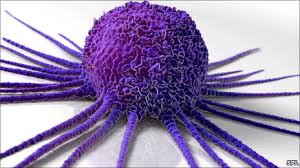
A lymph
node or lymph gland is an ovoid kidney-shaped organ of the lymphatic
system, In the lymphatic system the lymph node is a secondary
lymphoid organ that is widely present throughout the body. A lymph node is
enclosed in a fibrous capsule and is made up of an outer cortex and an inner
medulla. Lymph nodes are major sites of B and T lymphocytes,
and other white blood cells. Lymph nodes are important for the proper
functioning of the immune system, acting as filters for foreign particles and
cancer cells. They are linked by the lymphatic vessels as a part of the
circulatory system. Lymph nodes do not have a detoxification function.
Lymph
nodes also have clinical significance. They become inflamed or enlarged in
various diseases which may range from trivial throat infections, to
life-threatening cancers.
The condition of the lymph nodes is very important in cancer staging, which
decides the treatment to be used, and determines the prognosis. When swollen,
inflamed or enlarged, lymph nodes can be hard, firm or tender.
Edelweiss:
Cancer Open Access is an open access journal which aims to publish most
complete and genuine source of information in the form of short commentary,
mini review, case report, related, but not limited to above areas and making
them available freely through online without any subscriptions and restrictions
to researches worldwide
Researchers, authors, reviewers, and readers can use this page to find journal resources connected
with Lymph node, including published articles,
related academic topics, current issue content, archive material, and manuscript submission information.